

 See My Latest Article on HelloNation
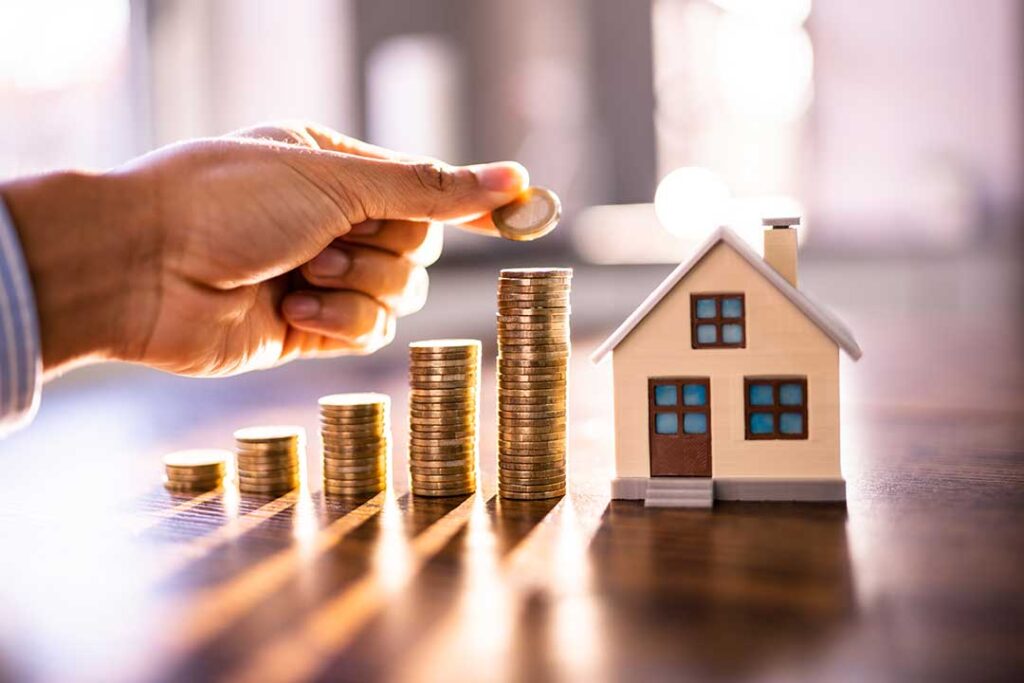
What Are Property Taxes and Who Pays Them?
Property taxes are recurring fees paid by homeowners to support local public services. In Chicago, IL, property owners pay these taxes to fund public schools, parks, city operations, and essential infrastructure. Anyone who owns real estate in the city, whether it’s a house, condo, or multi-unit building, receives a property tax bill each year.
These taxes are not optional. Skipping payments can lead to penalties and, in severe cases, the loss of the property. For renters, taxes are a hidden cost often built into monthly rent, but the direct responsibility lies with property owners.
How Are Property Taxes Calculated in Chicago, IL?
Chicago property taxes are based mainly on a property’s assessed value and local tax rates. First, the Cook County Assessor’s Office determines an official estimate of what a property is worth—the “assessed value.” This typically happens every three years.
Once the assessed value is set, the county applies an “equalization factor” to bring local values in line with state averages. Next, various tax rates are applied depending on the property’s location and what public services the area supports.
The basic formula is:
- Assessed Value × Equalization Factor = Equalized Assessed Value (EAV)
- EAV × Local Tax Rate = Tax Bill
For example, a single-family home assessed at $300,000 might get an EAV of $100,000 after adjustments. If the combined tax rate is 7%, the annual tax bill would be about $7,000.
What Does the Property Tax Bill Include?
A typical Chicago tax bill breaks down how much money goes to different agencies. The biggest share usually funds public education—more than half of most bills support Chicago Public Schools. Other recipients include:
- The city government
- Library system
- Park district
- County health and safety agencies
Each year, residents receive two installments. The first is a partial payment based on the previous year. The second installment is adjusted with the final calculation, which may be higher or lower depending on local budget decisions.
Why Do Property Taxes Change Each Year?
Changes in home values, city budgets, and state laws all affect yearly tax bills. Major factors include:
- New assessments: Values usually update every three years, but market changes can trigger adjustments.
- Shifting needs: If schools, parks, or public safety need more funds, tax rates could go up.
- Exemptions: If a household qualifies for savings (like a homeowner or senior exemption), taxes may drop.
Because these variables fluctuate, even homes that seem stable in value may see their bills rise or fall from year to year.
Can Homeowners Apply for Tax Exemptions or Reductions?
Yes, the city and county offer several exemptions that can lower property taxes. The most common include:

- Homeowner Exemption: Available if the property is a primary residence, reducing the assessed value.
- Senior Citizen Exemption: For owners over 65, providing extra savings.
- Disabled Persons and Veterans Exemptions: For qualifying individuals, further reducing the bill.
- Longtime Occupant Exemption: For owners with consistently high increases over many years.
To qualify, homeowners must file applications—usually each year—for these reductions. Not applying can mean paying more than necessary, so it’s worth checking eligibility regularly.
What Happens If a Property Tax Bill Is Not Paid?
Missing property tax payments triggers penalties that add up quickly. Interest and late fees accrue each month after the due date. Continued failure to pay can result in the sale of the tax debt to a third party through the “annual tax sale.” If the debt isn’t resolved after that, foreclosure becomes a risk.
Homeowners facing trouble paying should communicate with the Cook County Treasurer’s Office right away. Payment plans are sometimes available to help residents avoid more severe consequences.
How Can Residents Estimate Their Property Tax Bill?
To estimate taxes, start with the property’s assessed value, which is available from the Cook County Assessor’s public records. Multiply this number by the current equalization factor (posted on local government websites) to find the EAV. Then, review the most recent tax rates for your neighborhood.
There are also online calculators provided by the county. These tools give a general sense, but the second installment may still change due to updated local funding needs.
What Are Common Misunderstandings About Property Taxes in Chicago, IL?
Many residents think their entire tax bill is set by the city, but multiple government levels set rates—including schools and the county. It’s also a myth that assessments always match real-world sale prices; assessments can lag behind market trends or reflect different valuation rules.
Some homeowners miss savings by not realizing they need to reapply for exemptions after moving or changes in ownership. Others assume contesting an assessment is pointless, but the appeals process can and does lead to lower tax bills if errors in property value are found.
Where Can Homeowners Get More Information?
Authoritative information is available through the Cook County Assessor's Office and the Cook County Treasurer’s Office, both of which provide guides, tax records, forms for appeals and exemptions, and customer support for residents with specific questions.
Understanding the details of property taxes helps local homeowners budget accurately, dispute costly errors, and ensure they receive all savings they qualify for under the law.