

 See My Latest Article on HelloNation
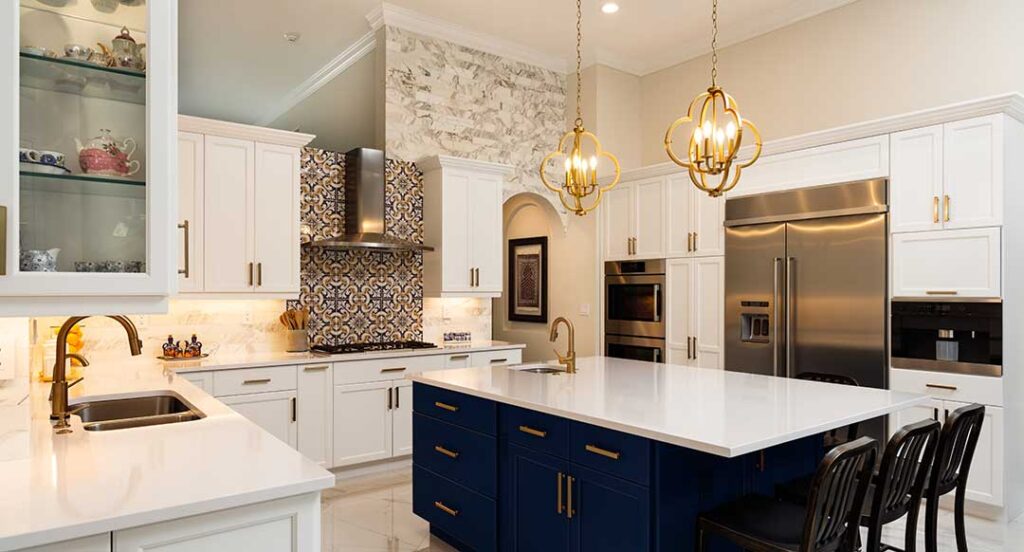
For homeowners in Chicago, IL, the improvements with the strongest return on investment are usually practical, visible, and appropriately scaled to the property. Exterior maintenance, entry upgrades, modest kitchen improvements, and repairs that address deferred maintenance often perform better financially than highly personalized additions or luxury renovations.
Return on investment does not mean every dollar spent will be recovered at resale. The outcome depends on the home’s age, condition, architectural style, neighborhood market, quality of construction, and how long the owner plans to stay.
Which home improvements usually provide the highest ROI?
The strongest resale returns often come from projects that improve first impressions, protect the structure, or make a home easier to live in.
Common high-value categories include:
- Garage door replacement or repair
- Entry door replacement
- Exterior painting, siding, or masonry maintenance
- Minor kitchen updates
- Safety, drainage, and water-management repairs
- Energy-efficiency improvements with reasonable installation costs
- Basic bathroom modernization
- Improved lighting, storage, and overall condition
National remodeling data consistently shows that smaller exterior projects can outperform large interior renovations in percentage return. That does not mean a major kitchen or bathroom project lacks value. It means expensive renovations are less likely to recover their full cost at resale.
Why do exterior improvements often perform so well?
Exterior projects affect both curb appeal and a buyer’s perception of maintenance. A clean, well-maintained exterior suggests fewer immediate repair concerns, while worn doors, damaged siding, deteriorated trim, or neglected masonry can make the entire property seem less cared for.
In Chicago, freeze-thaw cycles, wind, snow, and moisture can be especially hard on exterior materials. Buyers may pay close attention to:
- Cracked or deteriorated brick and mortar
- Peeling paint and damaged wood trim
- Drafty or visibly worn entry doors
- Poorly sealed windows
- Gutters and downspouts that discharge too close to the foundation
- Uneven walkways and deteriorated steps
- Roof edges, flashing, and areas with signs of water intrusion
A modest exterior repair can be more financially sensible than replacing sound materials solely for a newer appearance. Preserving original brick, woodwork, or architectural details may also be preferable in older homes when those features remain serviceable.
Is a minor kitchen remodel better than a complete renovation?
Usually, a minor kitchen update has a better chance of producing a strong resale return than a full luxury renovation. Buyers generally value a kitchen that is clean, functional, bright, and reasonably current, but they may not reimburse every dollar spent on premium finishes or highly customized layouts.
A cost-conscious kitchen improvement plan might include:
- Repainting or refinishing cabinets that are structurally sound
- Replacing worn hardware
- Updating dated lighting
- Repairing damaged countertops
- Replacing failing appliances near the end of their useful life
- Improving storage with practical organizers
- Repainting walls in a neutral, durable finish
- Repairing loose flooring, cabinet doors, or plumbing fixtures
The most useful question is not whether the kitchen looks expensive. It is whether the space works well and appears maintained.
In compact homes, condominiums, and older floor plans, a complete kitchen relocation may require extensive plumbing, electrical, ventilation, or structural work. Those costs can rise quickly, especially where building approvals or association rules apply.
What improvements matter most in older Chicago homes?
For older housing stock, condition often matters more than style. A buyer may accept dated finishes if the building appears dry, structurally sound, and properly maintained. They are less likely to overlook active leaks, failing mechanical systems, unsafe wiring, or recurring basement moisture.
High-priority improvements can include:
- Correcting water entry and drainage problems
- Repairing roof leaks before replacing interior finishes
- Maintaining masonry and preventing further deterioration
- Improving basement ventilation and moisture control
- Updating unsafe electrical components
- Repairing plumbing leaks and inadequate shutoff access
- Sealing major air leaks around windows, doors, and utility penetrations
- Replacing damaged flooring or ceiling materials after the underlying issue is resolved
Cosmetic work performed before necessary repairs can become wasted spending. For example, repainting a basement without addressing seepage or condensation may only conceal the problem temporarily.
Do energy-efficiency improvements pay back at resale?
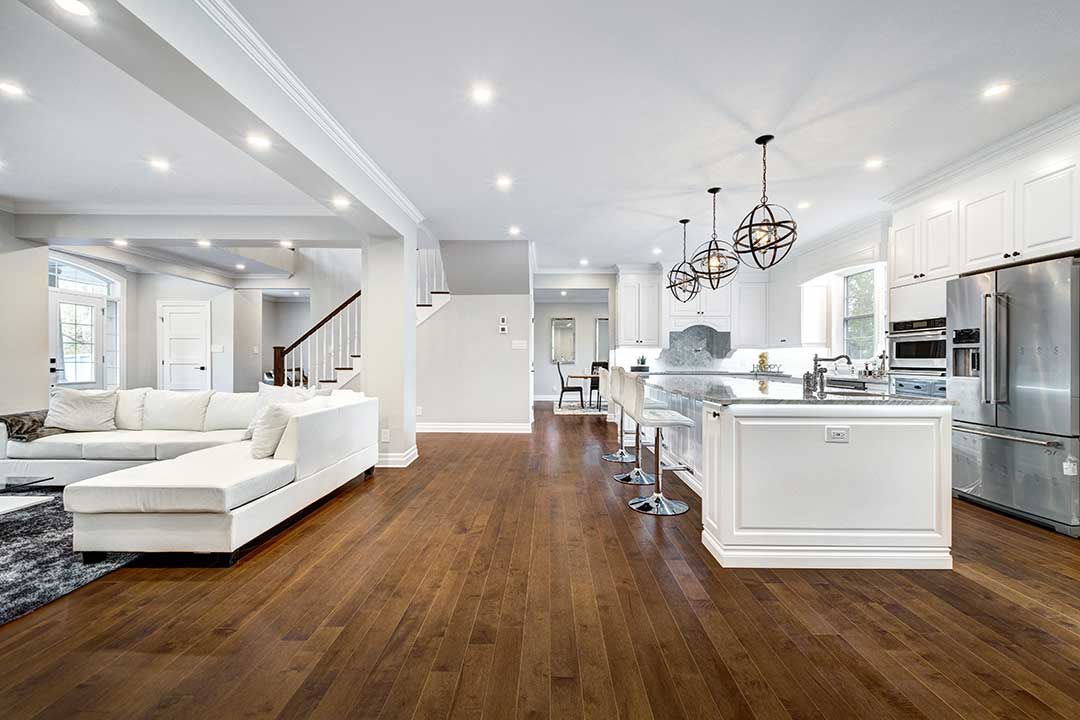
Energy improvements can improve comfort and reduce operating costs, but their resale return varies widely. Low-cost measures often make more financial sense than expensive systems installed solely for resale.
Potentially useful upgrades include:
- Air sealing around doors, windows, and penetrations
- Attic insulation where appropriate
- Programmable or smart temperature controls
- Efficient lighting
- Weatherstripping
- Sealing ductwork
- Repairing poorly insulated areas that create drafts
- Replacing an outdated furnace, boiler, or water heater when it is already near failure
In buildings with radiators, shared heating systems, or condominium rules, the available options may be limited. Energy work should also account for ventilation and moisture. Sealing a building without considering indoor air movement can create new comfort or condensation concerns.
A high-cost energy project may still be worthwhile for long-term ownership, but it should not automatically be described as a guaranteed resale investment.
Are bathroom renovations a good investment?
A clean, functional bathroom is expected by most buyers, but an upscale bathroom renovation often recovers less than its original cost. The most financially sensible work usually addresses visible wear, poor ventilation, outdated fixtures, or damaged surfaces without changing the room’s entire layout.
Practical improvements may include:
- Replacing cracked tile or damaged grout
- Updating a worn vanity or mirror
- Improving lighting
- Replacing leaking fixtures
- Installing a stronger exhaust fan where permitted
- Re-caulking tubs and showers
- Repairing soft flooring or water-damaged surfaces
- Using durable, neutral materials
Moving plumbing, enlarging the room, or adding a new bathroom can be valuable when the home lacks adequate facilities. However, these projects involve more construction, permitting, and installation cost, so the resale calculation is less predictable.
Which improvements are least likely to provide strong ROI?
Highly personalized projects and major additions often have the weakest percentage return. Examples can include elaborate home theaters, luxury primary suites, oversized additions, premium outdoor kitchens, and finishes selected for a narrow personal taste.
A project may still be worthwhile if it significantly improves daily life. The financial mistake is assuming that personal enjoyment and resale value are the same measurement.
Large renovations can also create a mismatch with surrounding homes. Spending substantially more than typical properties in the immediate market may not result in a proportional increase in value.
How should homeowners prioritize improvements before selling?
Start with defects that could raise inspection concerns or cause a buyer to reduce an offer. Then address visible condition issues before considering decorative upgrades.
A practical order is:
1. Stop active leaks, moisture intrusion, and structural deterioration.
2. Correct safety and major mechanical problems.
3. Repair damaged exterior elements and improve entry appearance.
4. Refresh kitchens and bathrooms without unnecessary reconfiguration.
5. Improve lighting, cleanliness, storage, and paint.
6. Add personalized features only after basic resale needs are covered.
For Chicago properties, seasonality also matters. Exterior painting, masonry work, roofing, landscaping, and concrete repairs may depend on suitable weather. Planning these projects around local seasonal conditions can reduce delays and prevent rushed decisions.
The best improvement is usually the one that solves a real problem, suits the home’s character, and remains useful to the next household. ROI is strongest when the work improves condition and livability without exceeding what buyers are likely to expect for the property.